




Dido The Pink Solution
For René Barbier, Dido Rosat is one of the most important wines he has ever made. A rosé born from the conviction that this color can —and must— express complexity, sense of place, and aging potential, just like great whites and reds.
READ MORE +
The wine originates from the idea of working great vineyards with the utmost rigor, moving away from the historical concept of rosé as a simple wine or byproduct. Here, the rosé is conceived, tasted, adjusted, and refined over years.
The base of the wine is Grenache, which constitutes the majority of the blend. This variety is chosen for its profound Mediterranean character, for that concept of a warm, luminous, and southern Mediterranean wine, which defines the rosé's character and gives it breadth and expression.
The Macabeo contributes structure and aging capacity. The Carignan introduces mineral tension, lower alcohol content, and more acidity. To this is added an old-vine Tempranillo planted on granite, which provides freshness and balances the whole, playing a similar role to the Xarel·lo from granite in the whites.
Vinification is carried out entirely in very old wood, with fermentations in used barrels and a long aging period —between 16 and 20 months— in century-old Mosel foudres. This work with old wood does not seek to mark the wine, but rather to rusticize it, giving it depth, texture, and a recognizable character year after year.
The result is a Mediterranean rosé, complex and profoundly gastronomic, with remarkable aging potential. A wine that has been refined over time and today excites with its identity, its energy, and its way of reinterpreting rosé from its origin.

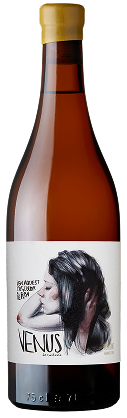
Dido White
Dido White is the expression of continuous learning and evolution. A Mediterranean white built from three varieties and two winemaking paths that converge in a complex, vibrant, and gastronomic wine.
READ MORE +
Macabeo, initially perceived as a neutral variety, becomes a protagonist here thanks to old vines in calcareous soils of Guiamets. The White Grenache reinforces the volume and warmth of the blend, while the Xarel·lo, from granite soils, provides freshness, tension, and alcoholic balance. Although a minority (15–20%), this Xarel·lo is key to the wine's final harmony.
Over time, the winemaking has evolved towards a combined approach: A portion of the Macabeo is made through complete fermentation with skins, with macerations of one to two weeks, which provide structure, linearity, and depth, reducing the prominence of fruit and refining the wine's profile. The rest is made by direct pressing, with slow fermentations and long aging on lees.
The aging takes place in used wood, of different sizes, and culminates with an assemblage in concrete, where the wine remains for approximately 10 more months. In total, Dido White spends between 16 and 18 months aging, seeking depth without losing vivacity. It is a Mediterranean wine, marked by the warm area of Guiamets, but refined towards a more precise, complex, and gastronomic profile, with contained fruit, texture, and a clear vocation for aging.

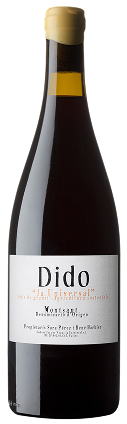
Dido Red
Dido Red is the gateway to the universe of Venus La Universal. A red wine based mainly on Grenache, primarily from granite soils, which seeks freshness, luminosity, and natural balance.
READ MORE +
Although granite and Grenache dominate the blend, the wine is not monolithic: a part comes from calcareous soils, other varieties complement the blend, and a fraction is aged in different vessels from cement, such as old barrels or foudres. This diversity allows for building a more complete wine without losing identity.
For René, granite yields wines with less color, less weight, and more freshness, and this is where the character of Dido Red lies: a wine easy to enjoy, without excessive alcohol or structure, but with enough depth to evolve well over time.
The aging is increasingly longer, refining the wine without hardening it. The result is a luminous, balanced, and honest red, which reflects the place where the vineyard is cultivated: a fresher, easier, and more amiable environment, where balance is achieved naturally.

Venus de Cartoixà
Venus de Cartoixà is a singular and essential wine within the project. A white wine made exclusively from old Xarel·lo vines planted on granite, an unusual and extraordinarily expressive combination.
READ MORE +
The vineyards, with some over 30 years old, come from a very special clonal selection, believed to be related to the Xarel·lo of Penedès. From its origin, the wine was conceived under the principle of zero addition, without sulfites or corrections, as a natural wine in the purest sense.
The combination of Xarel·lo and granite results in a very stable, balanced, and serene wine, far from extreme or “funky” profiles. Despite the warm climate, the granite provides constant freshness, vibrancy, and energy.
It is a mineral, deep, and precise white, which expresses itself with clarity and which, over time, has defined an increasingly classic and timeless profile.
Venus de la Figuera
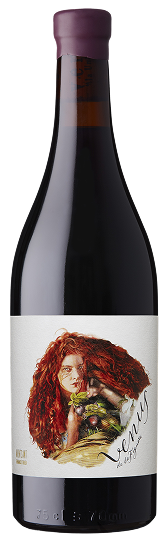
Venus de la Figuera is born in one of the most unique villages of the Montsant DO. Located between 500 and 600 meters of altitude, La Figuera is characterized by calcareous soils with red clay, extremely mineral.
READ MORE +
The vineyard is located at the top of the plateau, directly on the calcareous bedrock. It is a demanding soil, which can impart harshness if worked aggressively. For this reason, vinification avoids treading and opts for long and gentle macerations, preserving the finesse of the Grenache.
The wine ages for about 20 months in Miravet amphorae, an aging that respects the character of the place and allows for a slow and precise evolution.
The Grenache from La Figuera is unique: lighter in color, with a local clone that has been unsuccessfully reproduced elsewhere. The result is a delicate, mineral, and profoundly identity-driven wine, one of the project's great treasures.

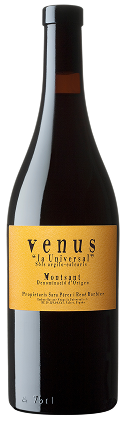
Venus
Venus is the wine that gives its name to the project and represents a conscious search for beauty, interpretation, and sensibility, a wine born from a different perspective, linked to the idea of femininity in wine.
READ MORE +
From 2018, an accidentally delayed bottling opened the door to a new direction: increasingly longer aging periods, exploring how far the wine can go without losing fluidity. Today, Venus spends approximately 38–40 months aging, combining truncated conical tanks, very old oval foudres, and a long final stay in cement.
Far from hardening the wine, this process strips it down, losing layers of color and weight, gaining stability, depth, and harmony. The macerations, very long (up to 100 days), are carried out without treading, allowing for a gentle extraction that polishes the wine from within.
The Carignan plays a key role due to its fresh character, compensating for warm and deep soils, and allowing for these extreme elaborations. The result is a wine uncommon today: complex, fluid, gastronomic, and profoundly crafted, closer to the spirit of great classic wines than to immediate fruity profiles.